Water flosser or dental floss: what the evidence says
Both do the same job: clear the plaque your toothbrush cannot reach between teeth. The question is which one you will actually use every day, and whether the extra cost of a water flosser buys anything. Here is what the research says, what each costs over a year, and who should choose what.
The short answer is that no single option wins for everyone. String floss is cheap and well studied. A water flosser is easier for some mouths. Interdental brushes often do best of the three where your gaps are wide enough for them. We have not tested any of these ourselves, so everything below comes from published studies and listed prices, checked in October 2026.
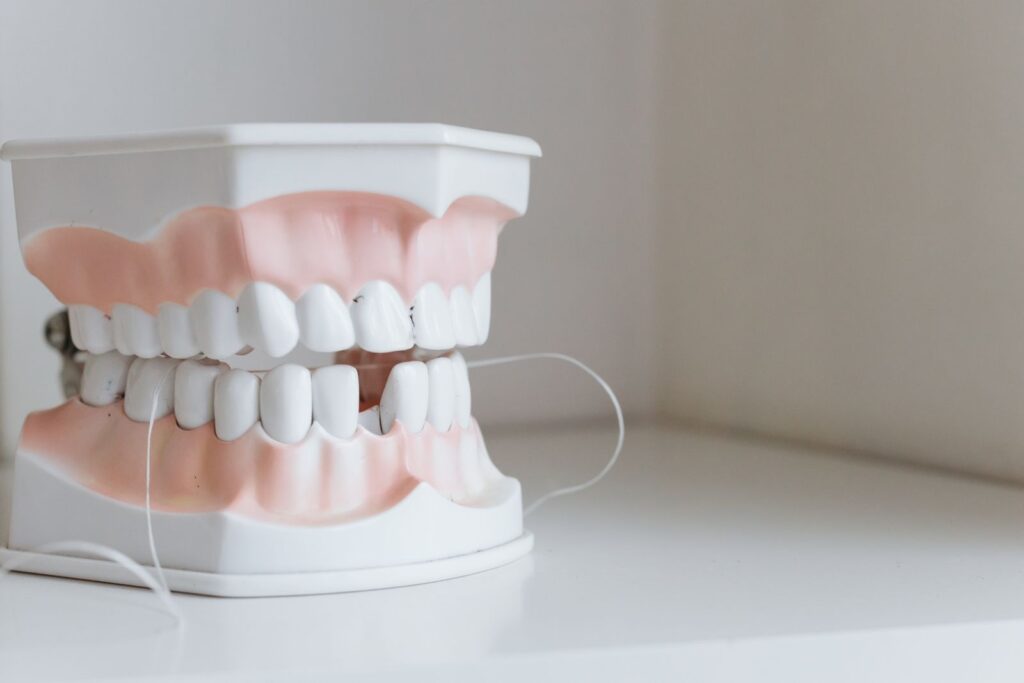
The short answer
- Cheapest: string floss, at about £1.50 to £3 for a 50 m reel.
- Easiest for braces, implants or poor dexterity: a water flosser is often more comfortable, though the trials are small.
- Strongest evidence for cleaning between teeth: interdental brushes, if your gaps suit them.
- Best habit: whichever one you will use every single day.
What the evidence says about plaque and gums
The main Cochrane review on cleaning between teeth looked at more than 30 studies with almost 4,000 adults. It found that using floss or interdental brushes in addition to toothbrushing may reduce gingivitis (gum inflammation). For floss, low-certainty evidence showed gingivitis fell at one, three and six months, but it is unclear whether floss reduces plaque (Cochrane, 2019).
Water flossers have a smaller but growing evidence base. A 2023 systematic review of seven randomised trials found that most of the studies favoured water flossers over string floss for plaque reduction (PubMed). Other reviews are more cautious. They judge the evidence for water flossers on gingivitis to be weak, and one older review concluded there was not enough evidence to say either is better for plaque. Interdental brushes often come out best for interdental plaque.
In people with gum inflammation around dental implants, a small trial reported that bleeding on probing fell at 30 days in 18 of 22 implants (81.8%) in the water flosser group, against 6 of 18 (33.3%) in the floss group (CAT summary). That is one small trial, and it is why we say “often more comfortable” rather than “better”.
Good to know: The NHS advice is to clean between your teeth with floss or interdental brushes, and to avoid wooden toothpicks because they can damage your gums.
Cost over a year
The costs below come from UK listings we found in October 2026. Prices change from week to week, so use them to compare options rather than to budget to the penny.
- String floss: an Oral-B Essential Floss 50 m reel is listed between £1.49 and £3.00 depending on the shop.
- Interdental brushes: an eight-pack of TePe brushes is listed from £3.39 to £3.99, and mydentist lists a mixed pack at £3.60.
- Water flosser, corded: the Waterpik Ultra Professional is listed at £59.99 on eBay and £82.11 on Amazon.
- Water flosser, cordless: from £18.99 for the Bitvae C5 to £94.99 for the Waterpik Cordless Advanced.
- Tips: a single Waterpik Classic Jet Tip is listed at £17.60 at one UK reseller, which says to replace it every six months. Other brands sell cheaper packs: a three-pack of Spotlight Oral Care tips is listed at £5, and a Superdrug ProCare two-pack at £8.14 (it fits only ProCare flossers).
| Option | Cost in year one | Running cost after year one |
|---|---|---|
| String floss (one reel every 3 months, an assumption) | about £6 to £12 | the same each year |
| Interdental brushes (one 8-pack a month, an assumption) | about £41 to £48 | the same each year |
| Water flosser, budget cordless | £18.99 plus tips | tips only |
| Water flosser, Waterpik Ultra Professional | £59.99 to £82.11 plus two tips at £17.60 | about £35 in tips |
The floss and brush rows are worked examples, because how fast you use them depends on you: four reels at £1.49 to £3.00 gives £5.96 to £12, and twelve eight-packs at £3.39 to £3.99 gives about £41 to £48. The tool on our water flosser comparison page lets you change the assumptions.
A water flosser costs more up front and also needs electricity or a charge, bathroom counter space (the corded model has a 650 ml tank) and regular cleaning of the reservoir.
Who should use a water flosser
- Braces. A jet of water can reach round brackets and wires more comfortably than floss. Ask your orthodontist whether they want an orthodontic tip.
- Implants and bridges. The small trial above, and the way implants sit in the gum, make a water flosser a reasonable option, but ask your dentist how to clean around yours.
- Limited dexterity. If threading floss is painful or impossible because of arthritis or injury, a water flosser may be the only way you will do it.
None of the studies we found claim a water flosser replaces brushing. It adds to it.
Who should stick with string floss
- You have tight contacts between teeth and the floss slides through cleanly.
- You want the cheapest option that has the longest research record.
- You travel a lot and do not want another charger.
If your gaps are wider, ask a dental professional which interdental brush size suits you. A brush that is too small does not clean, and one that is too big hurts.
Which water flossers we would shortlist
We did not test these, and a published review site’s spec data is all we have, as listed in April 2026. Pick by tank, pressure range and run time.
| Model | Price seen | Tank | Pressure | Run time |
|---|---|---|---|---|
| Waterpik Ultra Professional (corded) | £59.99 to £82.11 | 650 ml | 10 to 100 PSI | 90 seconds to 4 min 45 s |
| Ordo Hydro Sonic | £58.99 to £59.99 | 260 ml | 80 to 160 PSI | 50 to 60 s |
| Waterpik Cordless Advanced | £94.99 | 207 or 240 ml | 45 to 75 PSI | 45 to 65 s |
| Waterpik Cordless Slide | £55 to £60.66 | about 180 ml | 50 to 80 PSI | 38 to 46 s |
| Philips Sonicare Cordless Power Flosser 3000 | £86.99 | 240 ml | not stated | 60 to 85 s |
| Bitvae C5 | £18.99 | not stated | not stated | not stated |
Compare any three of them side by side in our water flosser comparison tool, and read how an electric toothbrush fits alongside.
Watch out: If your gums bleed every time you clean between your teeth for more than a couple of weeks, or you have swelling or a bad taste, see a dentist. It may be gum disease, and a new gadget will not treat it. Our NHS dental access guide explains how to get seen.