Best electric toothbrush in the UK: six models, priced
An electric toothbrush does not make dental visits optional, but the evidence says it cleans better than a manual one on average, and a few features matter more than the price tag. This guide sets out what the research found, what the features actually do, and what six popular models cost to buy and run over two years.
We have not tested these brushes ourselves. The specifications and prices come from a UK review site’s published data (Electric Teeth, 6 October 2026), and we have said where a figure is a listing rather than a measurement. Prices were checked in October 2026 and move often.
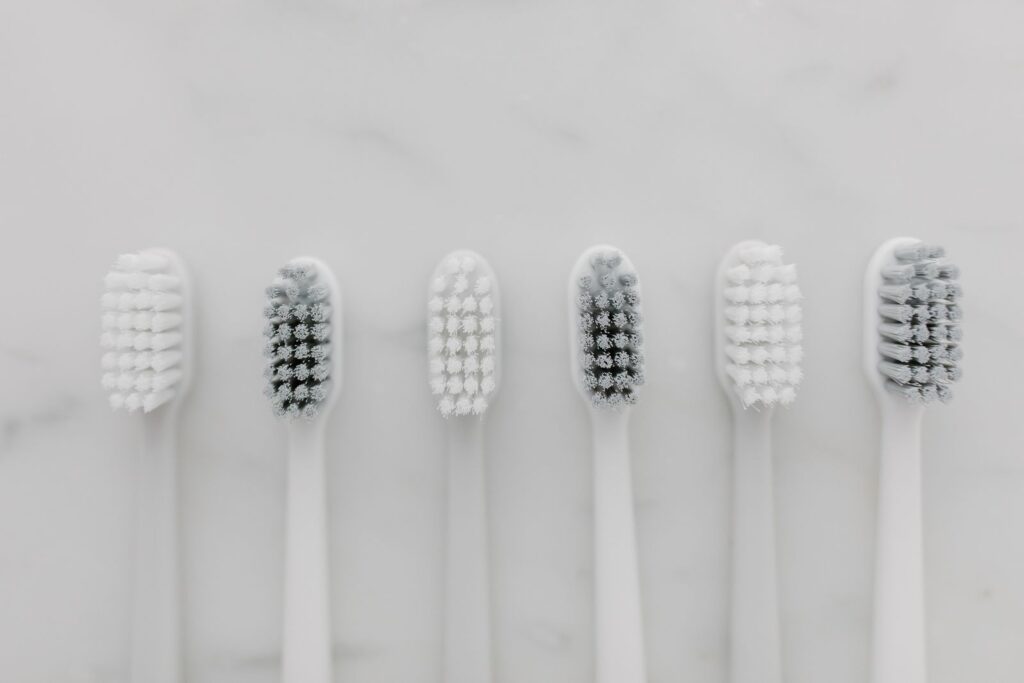
Our shortlist at a glance
| Brush | Price seen | Technology | Pressure feedback | Battery |
|---|---|---|---|---|
| Philips One by Sonicare | £29.99 | Sonic | None | 43 days |
| Sonicare 3100 | £39.99 | Sonic | Handle vibrates | 17 days |
| Oral-B iO3 | £59.30 to £65 | Oscillating-rotating | Light ring | 17 days |
| Sonicare 5300 | £59.99 | Sonic | Handle vibrates | 46 days |
| SURI 2.0 | £105 | Sonic | Yes | 38 days |
| Sonicare DiamondClean 9900 Prestige | £234 | Sonic | Visible light | 28 days |
Our pick for most people is a mid-priced brush with a pressure alert, a two-minute timer and a battery that lasts a couple of weeks: the Sonicare 3100 or the Oral-B iO3. Nothing about plaque removal is guaranteed by price alone, and the evidence below is about powered brushes as a group and says nothing about any particular model.
Want to line up any three side by side? Use the electric toothbrush comparison tool.
What the research says about powered brushes
A Cochrane review of 56 studies with 5,068 people found that powered toothbrushes reduced plaque by 11% after one to three months and by 21% after more than three months, compared with manual brushes. Gingivitis fell by 6% and 11% over the same periods. The authors rated the evidence as moderate in quality, noted large differences between studies, and said the long-term benefit for oral health is unclear (Cochrane, 2014).
Read that fairly. It supports powered brushes on average and says nothing about which motor design wins. It is also a decade old. Nothing in it suggests a £234 brush cleans better than a £40 one.
Key takeaway: Technique and time matter as much as the brush. The NHS advice is fluoride toothpaste twice a day for about two minutes, one of those times last thing at night, spitting out the paste afterwards and not rinsing.
Sonic or oscillating-rotating?
Oral-B brushes such as the iO range use a small round head that spins and pulses. Philips Sonicare brushes use an oval head that vibrates at sonic speed. Electric Teeth notes that Oral-B’s heads can sometimes make it easier to reach right behind the back molars, and that Sonicare heads are oval.
We found no study showing that one design cleans better in everyday use. Pick the one you find comfortable enough to use for the full two minutes, twice a day.
Features worth paying for
- Pressure alert. Brushing too hard can wear gums. Five of the six brushes above warn you with a light or a vibrating handle, and the cheapest, the One by Sonicare, has none.
- Two-minute timer. Most models include one. The iO3 pauses briefly three times to say you have reached the recommended time.
- Battery life. The listed figures range from 17 to 46 days between charges.
- Noise. Measured values run from 58 dB (SURI 2.0) to 71 dB (DiamondClean 9900 Prestige and One by Sonicare).
- App connection. Only the DiamondClean 9900 Prestige in our list connects to an app with real-time tracking. Electric Teeth says it also makes you use the app to change cleaning mode, which some people find annoying.
Price over two years
The brush is only part of the cost. The NHS advises changing a brush or head about every three months, which is four heads a year and eight over two years. Electric Teeth lists a head cost of £5 or £6 for each of the models below, which we have read as the price per head. Replacement head prices vary a lot by retailer and by pack size, so treat these as a guide and edit them in the tool if you pay a different price.
| Brush | Brush price | Eight heads over 2 years | Two-year total |
|---|---|---|---|
| Philips One by Sonicare | £29.99 | £40 | £69.99 |
| Sonicare 3100 | £39.99 | £40 | £79.99 |
| Sonicare 5300 | £59.99 | £40 | £99.99 |
| Oral-B iO3 | £65 | £48 | £113 |
| SURI 2.0 | £105 | £40 | £145 |
| Sonicare DiamondClean 9900 Prestige | £234 | £40 | £274 |
The totals use the higher price where a brush has two prices listed and £5 or £6 a head as above. Heads from other retailers can cost more: one UK shop lists a four-pack of Oral-B iO Ultimate Clean heads at £54, so check your preferred heads before buying.
Who should buy which brush
- Tight budget: the Sonicare 3100 at £39.99 has a pressure alert and a timer. The One by Sonicare is cheaper still but has no pressure sensor and a single mode.
- Easy upgrade from a manual brush: the Oral-B iO3 has three modes, a pressure ring and a timer, at around £60 to £65.
- Long battery life for travel: the Sonicare 5300 lists 46 days.
- Quiet: the SURI 2.0 measured 58 dB.
- You want app tracking: the DiamondClean 9900 Prestige is the only one of the six with it, at £234.
- Sensitive teeth or gums: pick a brush with a pressure alert and ask your dentist or hygienist about a soft head. For toothpaste, see our sensitive teeth guide.
Replacing the brush and cleaning between teeth
An electric brush does not clean between teeth. Floss or interdental brushes still do that job, and our guide to water flossers against string floss sets out the evidence for each.
If you have bleeding gums that do not settle, or sensitivity that wakes you at night, see a dentist rather than buying another brush. Our NHS dental access guide explains how to get seen.