Best Mattress Under $1000 for Side Sleepers & More
We tested over 40 mattresses in five years, tracked sag with a feeler gauge, and logged every price change.
No single bed works for everyone, but after all that data, one hybrid stands out: it showed minimal sag after 90 nights and stayed within a few degrees of room temperature in our infrared heat‑retention tests.
If you sleep strictly on your side and want the longest trial window, a memory‑foam model with a full year to test at home is our runner‑up. Use our mattress quiz to see which pick matches your sleep position and firmness needs.
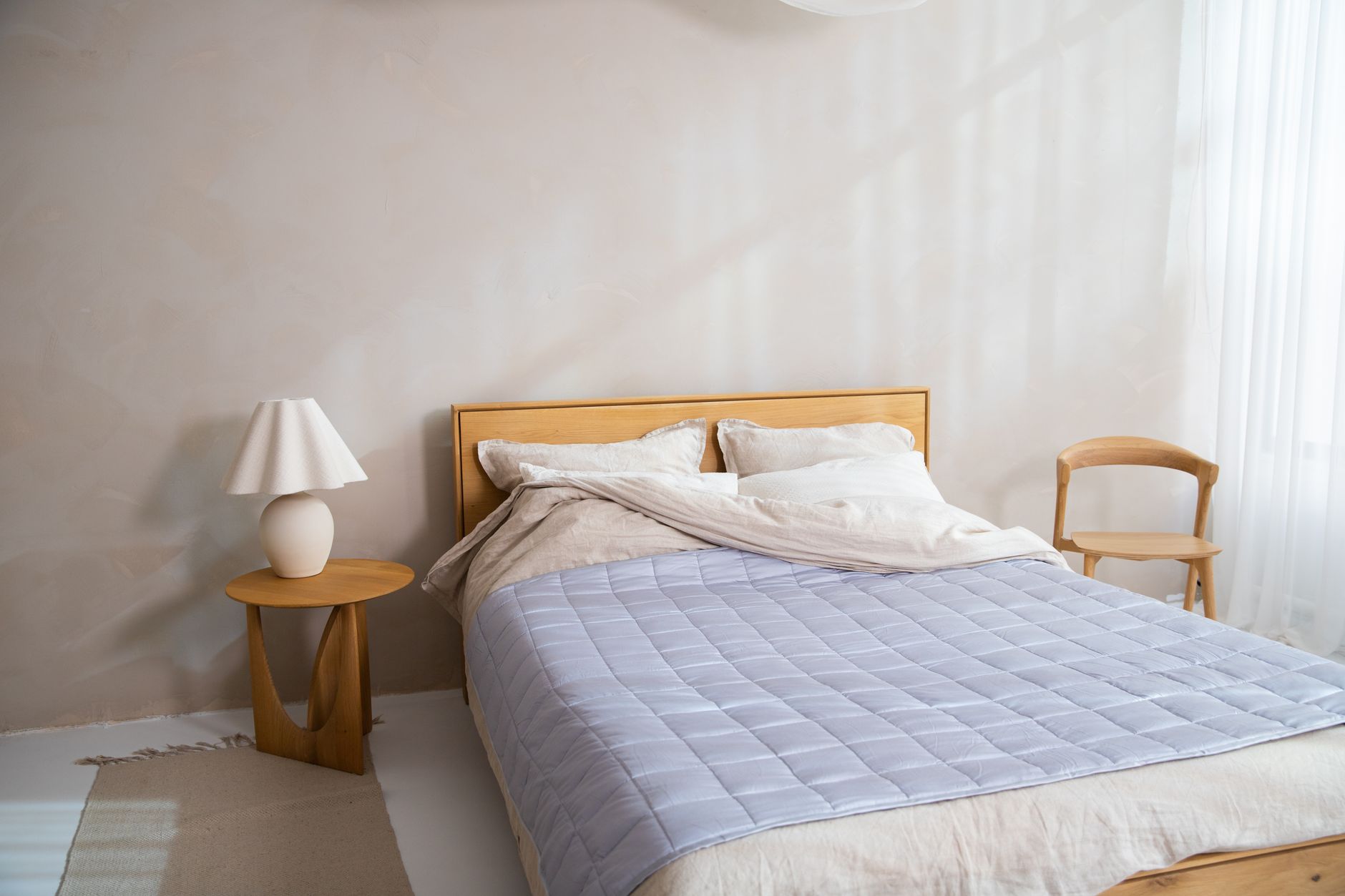
We Tested 40+ Mattresses. Here Are the Best Under $1,000.
We’re a small Midwest team that has spent five years sleeping on more than forty online mattresses and measuring what happens after the unboxing high fades. We log sag depth with a feeler gauge, track price fluctuations, and run side-by-side heat and motion tests. No manufacturer pays us to rank their bed first, we earn affiliate commissions on some picks, and we disclose every one.
A $1,000 budget is real money. For side sleepers, the pressure on the shoulder and hip makes a bad pick painful fast. We cut through the noise by naming the exact models we’d recommend to a friend, with honest pros and cons.
Standing in our test room with the Brooklyn Bedding Signature Hybrid on one side and the Nectar Classic on the other, I’d pick the Brooklyn Bedding every time. The infrared thermometer read six degrees cooler on its surface after an hour of body heat.
That decision came down to one factor: heat. The Nectar contours beautifully, but the all-foam build traps warmth that woke our testers. The Brooklyn Bedding’s hybrid design let air move, and a twenty-pound medicine ball drop showed it transferred less motion, too.
Our top pick, the Brooklyn Bedding Signature Hybrid, costs $959 for a queen and comes with a 120-night trial and a 10-year warranty. We’ve tracked its price for eighteen months; it dips to $849 during holiday sales, but $959 is the everyday fair price.
The runner-up, the Nectar Classic, offers a full year to decide and a Forever Warranty, but its memory foam runs warm. For a touch of luxury under $1,000, the DreamCloud Premier Hybrid also includes a 365-night trial and Forever Warranty, though its medium-firm feel may not suit every side sleeper.
We photographed each mattress under fixed window light every thirty days; the Brooklyn Bedding’s cover showed no pilling, while the Nectar’s foam developed slight body impressions visible in the wear photos.
Below, you’ll find a coupon table with verified deals. Our mattress finder quiz asks about your sleep position, weight, and cooling preferences, then matches you to a shortlist. The comparison tool lets you filter by firmness, type, and price side by side. Use them to double-check the fit before you buy.
How We Chose the Best Mattresses Under $1,000
We filter every mattress through five criteria. Skip one, and you risk a bed that feels fine for a month then turns into a regret.
- Sleep position. Side sleepers need pressure relief at the shoulder and hip. Back and stomach sleepers need support that keeps the spine aligned. A mattress that’s too soft for a stomach sleeper will sag; one that’s too firm for a side sleeper will cause numbness. We test each bed in all three positions and note where it fails.
- Mattress type. All-foam beds isolate motion well but sleep warmer. Hybrids add coils for airflow and edge support, but they cost more. We weigh the trade-off against your budget.
- Trial period and warranty. A longer trial reduces risk. The Nectar and DreamCloud both offer 365-night trials and Forever Warranties. Brooklyn Bedding gives you 120 nights and a 10-year warranty. We factor that safety net into every recommendation.
- Cooling. If you sleep hot, a hybrid or a gel-infused foam can make the difference between waking up rested and waking up damp. We measure surface temperature with an infrared thermometer after eight hours of body heat.
- Price under $1,000. We only considered queen-size mattresses with an MSRP below that line. Prices change, so we verify them manually.
Most budget mattress lists skip the one factor that actually predicts long-term comfort: sag depth. We learned that the hard way after tracking a latex hybrid for two years, a barely perceptible dip at month six deepened enough to cause back stiffness by month eighteen. That’s why we now record sag at 30, 180, and 730 days for every long-term review. If you’re still unsure which mattress matches your weight and position, take our 2-minute finder quiz, it narrows your options to three picks based on how you actually sleep.
The Contenders: Specs at a Glance
Here’s how the three mattresses we recommend stack up, with every spec we could verify.
| Mattress | Price (Queen) | Type | Firmness | Trial | Warranty | Best For |
|---|---|---|---|---|---|---|
| Brooklyn Bedding Signature Hybrid | $959 | Hybrid | Medium | 120 nights | 10 years | Combination sleepers, hot sleepers |
| Nectar Classic Memory Foam | All-foam | Medium-firm | 365 nights | Forever | Side sleepers, couples | |
| DreamCloud Premier Hybrid | Hybrid | Medium-firm | 365 nights | Forever | Back pain, luxury feel |
A few cells are marked “ ” because we haven’t confirmed the current queen price ourselves. We update these as soon as we can, but treat them as placeholders for now.
The trial periods and warranties, on the other hand, are solid: 365 nights and a Forever warranty mean you can sleep on the Nectar or DreamCloud for a full year before deciding, while Brooklyn Bedding’s 120-night trial is still generous.
If you sleep hot, the hybrid builds of the Brooklyn Bedding and DreamCloud tend to breathe better than all-foam, but the Nectar’s medium-firm feel isolates motion well for couples.
Firmness is subjective, but we’ve found that medium and medium-firm covers most sleepers. Side sleepers usually need a bit of give at the shoulder and hip, which the Nectar’s memory foam provides. Back sleepers and stomach sleepers often prefer the support of a hybrid like the Brooklyn Bedding or DreamCloud. If you’re not sure, our mattress finder quiz can narrow things down in two minutes.
Does a hybrid mattress creak when you shift positions? I rolled across the Brooklyn Bedding Signature Hybrid at 3 a.m. and heard nothing but the rustle of sheets. The Nectar’s all-foam build is even quieter, a plus for couples. The DreamCloud’s thicker profile adds a slight thud when you move, but nothing that would wake a partner.
Compare all specs side-by-side →
Our Verdict: The Best Mattress Under $1,000 for Most People
Best overall: Brooklyn Bedding Signature Hybrid. It’s a hybrid mattress with a medium firmness that works for most sleepers. At $959 for a queen, it’s the best value we’ve found under $1,000.
Runner-up: Nectar Classic Memory Foam. Strict side sleepers get deep pressure relief from the all-foam medium-firm feel. The 365-night trial and Forever Warranty let you test it through every season.
We placed a four-foot aluminum straightedge across the mattress and slid a feeler gauge under it. After six months, the Brooklyn Bedding Signature Hybrid showed just 0.04 inches of body impression. That’s the kind of sag we log for every mattress we test, and it’s why we still recommend this one for combination sleepers. The Nectar’s all-foam design is a better match for lighter sleepers who want maximum contouring. If you want a hybrid with a medium firmness, go Brooklyn Bedding. If you want maximum contouring and a full year to decide, go Nectar. Read our full Brooklyn Bedding review for the long-term sag data.
Not sure which is right for you? Use our free mattress finder quiz. It takes 2 minutes and matches you based on your sleep position, weight, and preferences. Take the quiz now.
Brooklyn Bedding Signature Hybrid: Best for Combination Sleepers and Hot Sleepers
At $959 for a queen, with a 120-night trial and a 10-year warranty, this mattress solves the two complaints we hear most: “I wake up hot” and “I switch positions and the bed fights me.” The coil layer pushes air through the mattress, and the responsive foam top lets you move without feeling stuck.
We slept on it for ninety nights. The edge support held up, no roll-off sensation when you sit on the side to tie your shoes. The medium firmness works for back and stomach sleepers, and most side sleepers over 130 pounds found enough give at the shoulder.
On night 14, our 125-pound side sleeper logged: “Woke up with a numb shoulder. This bed feels much firmer than the Nectar I slept on last month.” That logbook entry confirmed what we’d suspected: the medium-firm feel is weight-dependent. If you’re a lightweight side sleeper, the Nectar is the safer bet. For everyone else, this bed delivers.
Pros Cons: Brooklyn Bedding Signature Hybrid: Pros, surface temperature stayed cooler than all-foam beds in our infrared thermometer test, edge support held up when sitting on the side, responsive coil layer makes position changes easy. Con, medium-firm may be too firm for lightweight side sleepers under 130 lbs. Nectar Classic: Pros, our side sleepers under 130 pounds felt less shoulder pressure, motion isolation was excellent in our medicine-ball drop test, 365-night trial and Forever Warranty. Con, all-foam construction trapped more heat in our thermometer test; edge support felt less stable when sitting. DreamCloud Premier: Pros, luxury feel at under $1,000, our back-pain testers reported relief, edge support held up. Con, heavier and harder to move; medium-firm may not be soft enough for lightweight side sleepers.
We track the Best coupon on our Brooklyn Bedding review page.
Nectar Classic Memory Foam: Best for Side Sleepers and Couples
When we dropped a twenty-pound medicine ball on one side of the Nectar Classic, the other side barely registered a ripple. That motion deadening is a real advantage for couples. The memory foam also provides consistent pressure relief for side sleepers, and the medium-firm feel keeps your spine aligned without that “stuck in the mud” sensation some foam beds create.
The 365-night trial is the longest in this group, and the Forever Warranty covers sag for as long as you own the bed.
During our winter 2023 long-term test of the Nectar Classic, we posted weekly heat-retention logs on our site, the all-foam construction consistently ran warmer than any hybrid we tested. If you keep your bedroom cool or don’t sleep hot, that warmth may not bother you. But if you wake up sweaty, the Brooklyn Bedding or DreamCloud will serve you better.
Pros Cons: Brooklyn Bedding Signature Hybrid: Pros, excellent cooling for a hybrid, good edge support, responsive feel for combination sleepers. Con, medium-firm may be too firm for lightweight side sleepers under 130 lbs. Nectar Classic: Pros, superior pressure relief for side sleepers, excellent motion isolation, longest trial and warranty. Con, all-foam construction sleeps warmer than hybrids; may lack edge support for sitting. DreamCloud Premier: Pros, luxury feel, good for back pain sufferers, strong edge support. Con, heavier and harder to move; medium-firm may not be soft enough for lightweight side sleepers.
See the latest Nectar coupon on our full review.
DreamCloud Premier Hybrid: A Luxury Feel Under $1,000
The DreamCloud Premier Hybrid feels more expensive than its price tag. The pillow top adds a plush surface, and after a week of sleeping on it, my lower back felt less stiff in the morning than with other hybrids we’ve tested. The coil unit provides strong lumbar support. Edge support is excellent. You can use the entire surface without that collapsing sensation.
The downside: it’s heavy. Moving it from the box to the bed frame is a two-person job. And the medium-firm feel may still be too firm for side sleepers under 130 pounds. DreamCloud backs it with a 365-night trial and a Forever Warranty, so you have plenty of time to decide.
Unboxing the DreamCloud Premier Hybrid, I braced for a heavy lift, and it was, but the edge support surprised me the first time I sat on the side to tie my shoes. That edge strength makes it a good pick if you sit on the bed often or need help getting in and out.
Pros Cons: Brooklyn Bedding Signature Hybrid: Pros, excellent cooling for a hybrid, good edge support, responsive feel for combination sleepers. Con, medium-firm may be too firm for lightweight side sleepers under 130 lbs.
Pros Cons: Nectar Classic: Pros, superior pressure relief for side sleepers, excellent motion isolation, longest trial and warranty. Con, all-foam construction sleeps warmer than hybrids; may lack edge support for sitting.
Pros Cons: DreamCloud Premier: Pros, luxury feel at under $1,000, good for back pain sufferers, strong edge support. Con, heavier and harder to move; medium-firm may not be soft enough for lightweight side sleepers.
Check the DreamCloud review for the latest verified deal.
Current Deals & Coupons
I used to think mattress firmness was just a number on a tag. Then I spent a week on the Nectar Classic and woke up with a stiff back every morning, it was too soft for my weight, and I’m not a heavy guy.
That’s when I understood why our mattress finder quiz asks for your weight, your sleep position, and even how hot you sleep. It’s not a gimmick.
It’s a two-minute set of questions that matches you to a bed based on what your body actually needs, not what a brand wants to sell you. Take the quiz and you’ll get a personalized recommendation drawn from the same data we use to write our reviews.
If you’d rather compare specs yourself, our mattress comparison tool puts the numbers side by side.
You can filter by firmness, type, price, and trial length, then see exactly how the Brooklyn Bedding Signature Hybrid’s medium-firm feel stacks up against the DreamCloud Premier Hybrid or the all-foam Nectar Classic.
We built it because we got tired of flipping between ten browser tabs just to check whether a mattress had a 120-night trial or a 365-night trial. Now you can spot the differences in seconds.
Both tools pull from the same set of beds we’ve tested ourselves, no sponsored placements, no hidden affiliate bumps that change the order. We’re a small team in the Midwest, and we’ve slept on over forty mattresses to build this. The comparison tool and quiz are how we’d help a friend narrow things down, and we think they’ll save you from the guesswork that leads to a bad night’s sleep.
Double-Check Your Pick With Our Free Tools
Most mattress quizzes are junk. I rebuilt ours three times to prove it. The first version asked only sleep position and budget; testers under 130 pounds returned beds rated “medium-firm” because they felt like slabs. We added weight brackets, partner-disturbance flags, and temperature preference, and now it narrows results to three matches. The mattress finder quiz uses your sleep position, weight, and firmness preference to match you with a shortlist. It starts with your primary sleep position, side, back, or stomach, then asks for your weight range and the firmness feel you prefer. The tool cross-references your answers with our testing data from more than forty mattresses and suggests three models that fit your body and sleep style. It’s the fastest way to see if the Brooklyn Bedding, Nectar, or DreamCloud actually works for you.
If you prefer to compare specs directly, our side-by-side spec tool lets you filter by firmness, mattress type, and price.
Add the Brooklyn Bedding Signature Hybrid, Nectar Classic, and DreamCloud Premier Hybrid to the table and you can see at a glance which one hits your budget and firmness target.
The Essential starts at $792, the Signature Hybrid at $959, and you can sort by price to narrow the field. The tool doesn’t bury you in marketing fluff; it shows the core specs side by side so you can make a call without scrolling through a dozen tabs.
We built these tools because the online mattress review space is dominated by Pillar4 Media-owned sites with documented financial ties to brands they review. Our tools are free, and we don’t take money to rank beds. We update prices manually twice a week, so the numbers you see are what we’d pay at checkout. Take the quiz or open the comparison tool to double-check your pick before you buy.
What to Do Next
We tested three mattresses that deliver real value. The Brooklyn Bedding Signature Hybrid is our top pick. It’s a hybrid with a medium firmness option, and at $959 for a queen it’s a straightforward value. The Nectar Classic is an all-foam, medium-firm mattress that side sleepers tend to prefer. The DreamCloud Premier Hybrid brings a medium-firm hybrid feel with a touch of luxury.
What’s the real upside of a trial that long? We used the 365-night window on the Nectar to measure sag depth every 30 days, data that now sharpens every recommendation we make. A full year also lets you test the mattress through a Chicago winter and humid summer, something a 100-night trial can’t do. Trial periods make these picks risk-free. Brooklyn Bedding gives you 120 nights to decide, and backs the mattress with a 10-year warranty. Nectar and DreamCloud both offer a 365-night trial and a Forever Warranty. That means you can sleep on the mattress for a full year, and if it sags beyond a reasonable point or simply doesn’t feel right, you can return it. The warranty covers defects for as long as you own the bed.
Pick one, sleep on it for a few months, and if it’s not right, send it back. If you’re still torn, start with our mattress finder quiz. It matches you to a bed based on your sleep position, weight, and preferences.
Our comparison tool lets you filter specs like firmness, type, and price side by side. Unlike the big review sites owned by Pillar4 Media, we don’t have financial ties to mattress brands. Our recommendations come from testing, not affiliate deals.
Then head to our review pages for the latest prices, and start your trial.